Cart
0
There’s a specific kind of heartbreak in losing a favorite mug. You know the one—the one that fits your hand just right, the one you reach for every single morning without thinking. When a piece of pottery breaks or wears out, it’s not just "stuff" that’s gone; it’s the ritual attached to it.

At Rustic Stone, we don’t really believe in "disposable" homeware. We like the idea that the bowls and plates you use today could eventually end up in your children’s first apartments, or on a shelf in a home fifty years from now. But because ceramics come from the earth, they are living, breathing things. They have a rhythm.
If you want your ceramics to become heirlooms, you don't need to lock them in a display case. You just need to treat them with a little bit of friendship. Here is how to make sure your favorite pieces stand the test of time.
1. Give Them a Moment to Adjust
Clay is sensitive. It expands when it’s hot and shrinks when it’s cold. The quickest way to hurt a beautiful piece of stoneware is to shock it. If you take a bowl out of a chilly pantry and immediately pour boiling soup into it, the clay gets stressed.
The heirloom move: Think of it like a cold pool—you wouldn’t just dive in; you’d dip a toe first. Before you pour boiling water for tea, run your mug under some warm tap water. It "wakes up" the clay and gets it ready for the heat.
2. The Dishwasher vs. The Sink
Technically, most of our stoneware is tough enough for the dishwasher. But if you really love a piece, wash it by hand. Dishwasher detergents are surprisingly abrasive—they’re basically liquid sandpaper—and over ten or twenty years, they will slowly eat away at the shine of a glaze.

The heirloom move: Use a soft cloth and some mild soap. There’s something actually quite therapeutic about hand-washing a few favorite pieces at the end of the night. It’s a moment to appreciate the texture of the clay and make sure everything is okay. Plus, you’ll avoid those accidental "clinks" in the dishwasher that lead to chips.
3. Dealing with the "Earth" Parts
We love unglazed ceramics because they feel raw and real. But because that clay isn't sealed by a glaze, it’s thirsty. If you leave a ring of red wine or a splash of turmeric on an unglazed surface overnight, the clay will drink it up, leaving a permanent memory of that spill.
The heirloom move: You don’t have to be paranoid, just prompt. Give your pieces a quick rinse after you’re done. If you do get a stain, don't use bleach—it’s too harsh for the earth. A little paste of baking soda and water usually does the trick. It’s gentle, natural, and keeps the clay looking healthy.
4. Stacking with Kindness
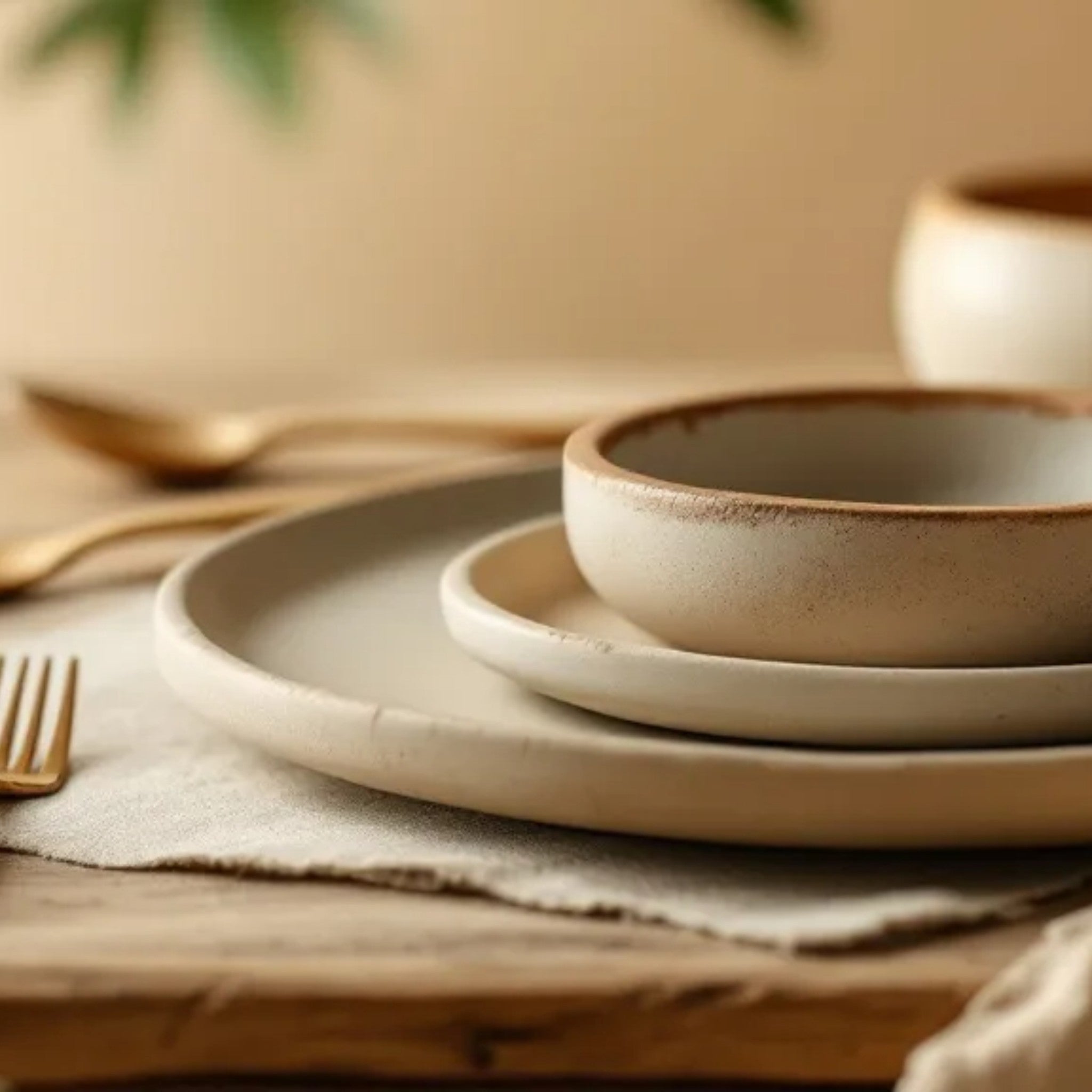
When we stack plates, the rough, unglazed bottom of one plate sits directly on the smooth, finished surface of the one below it. Over time, that friction creates tiny scratches that dull the finish.

The heirloom mover: If you’re stacking pieces you really care about, slip a small square of felt or even a simple cloth napkin between them. It’s a tiny extra step, but it keeps the "face" of your plates looking brand new for decades.
5. Embrace the Life Lines
Finally, remember that an heirloom isn't supposed to look like it’s been kept in a box. Over time, ceramics develop "crazing"—those tiny, beautiful spiderweb lines in the glaze. Some people see these as flaws; we see them as laugh lines.
Every little mark is a record of a meal shared, a guest hosted, or a quiet morning alone. To pass down a piece of pottery is to pass down a history of all the nourishment it has provided.
Taking care of your ceramics isn't about being precious; it’s about being intentional. When we treat our objects with respect, they reward us by sticking around.
What’s the oldest piece of pottery in your kitchen? We’d love to hear the story behind it.